Spent thousands on a “premium” fashion watch—only to watch it tarnish after six months? You’re not alone. The industry thrives on vague terms like “high-grade alloy” or “premium finish” while hiding what’s really inside. Here’s the fix: cut through the fluff with real Luxury Material Guides that reveal what actually lasts, looks rich, and justifies the price tag.
Why Most Fashion Watches Fail Within a Year
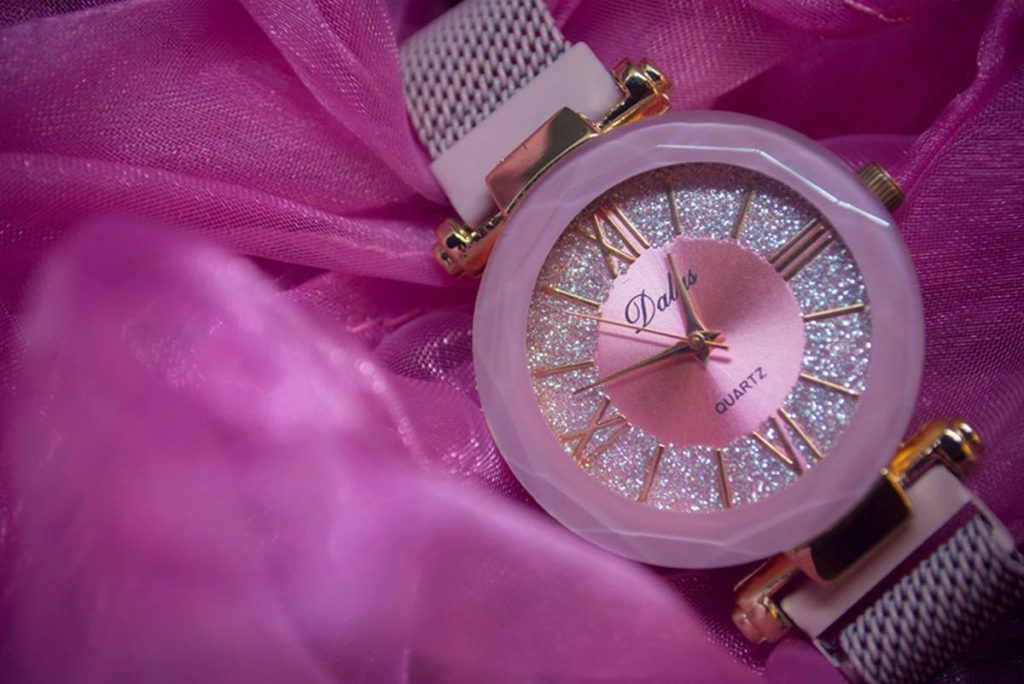
It’s not about aesthetics. It’s about material dishonesty. Brands slap “stainless steel” on boxes—but skip whether it’s 316L surgical-grade or cheap 201 that rusts near saltwater. And those “gold-tone” finishes? Often PVD-coated brass that chips faster than nail polish in monsoon season.
And yes—your “luxury” timepiece might be wearing plastic pretending to be ceramic.
Luxury Material Guides: Decoding What Matters
Case Materials That Actually Earn Their Price
True luxury starts with the case. 316L stainless steel resists corrosion even in humid climates. Titanium? Lighter than steel, hypoallergenic, and scratches less—but costs 3x more. Then there’s forged carbon: aerospace-grade, matte-black, and virtually scratch-proof. Not common. Not cheap. But worth every penny if longevity is your goal.
Strap Truths Nobody Talks About
Italian calf leather feels divine—until it meets sweat. Alligator? Gorgeous but cracks under UV exposure unless treated with hydrophobic coatings. Meanwhile, high-tensile fluoroelastomer (think: premium silicone) mimics rubber but survives chlorine, sunscreen, and salt without fading. Yet most brands won’t list the polymer grade—just “silicone strap.”
The Hidden Cost of “Affordable” Luxury
Here’s the reality: materials dictate resale value. A $1,200 watch in genuine 316L steel holds 60–70% value after two years. The same design in 201 steel? Drops to 20%. The math is simple—skimp on materials, lose equity.
| Material | Typical Use | Durability Score (1–10) | Avg. Cost Premium vs. Base |
|---|---|---|---|
| 316L Stainless Steel | Case/Bezel | 9 | +40% |
| Titanium Grade 5 | Case/Back | 8.5 | +120% |
| Forged Carbon | Case/Lugs | 9.5 | +200% |
| High-Density Fluoroelastomer | Strap | 8 | +75% |
| 201 Stainless Steel | Case (budget models) | 4 | Baseline |
The Industry Secret: “Luxury” Is a Finish, Not a Substance
Here’s what insiders know: many mid-tier fashion watches use injection-molded zinc alloy (Zamak) cores—then coat them in micro-thin PVD layers to mimic gold or platinum. The finish looks flawless in showroom lighting. But one sharp knock against a doorframe? Exposes dull gray metal underneath. And once moisture seeps in, oxidation spreads like mold. Some brands even apply a secondary lacquer to delay this—but it yellows within 18 months. True luxury doesn’t rely on coatings. It’s inherent in the raw material. If the spec sheet doesn’t list alloy codes or polymer grades, walk away.
Frequently Asked Questions
What’s the best material for a luxury fashion watch case?
316L stainless steel offers the best balance of corrosion resistance, polishability, and value retention. Titanium is superior for weight-sensitive wearers but harder to refinish.
Are ceramic watches truly scratch-proof?
High-tech zirconia ceramic resists scratches better than steel—but it’s brittle. A hard impact can crack or shatter it. Not ideal for active lifestyles.
Do “gold-tone” watches use real gold?
Almost never. Most are brass or steel with PVD or electroplated gold coating—typically under 0.5 microns thick. Real gold cases start at 18k and cost significantly more.