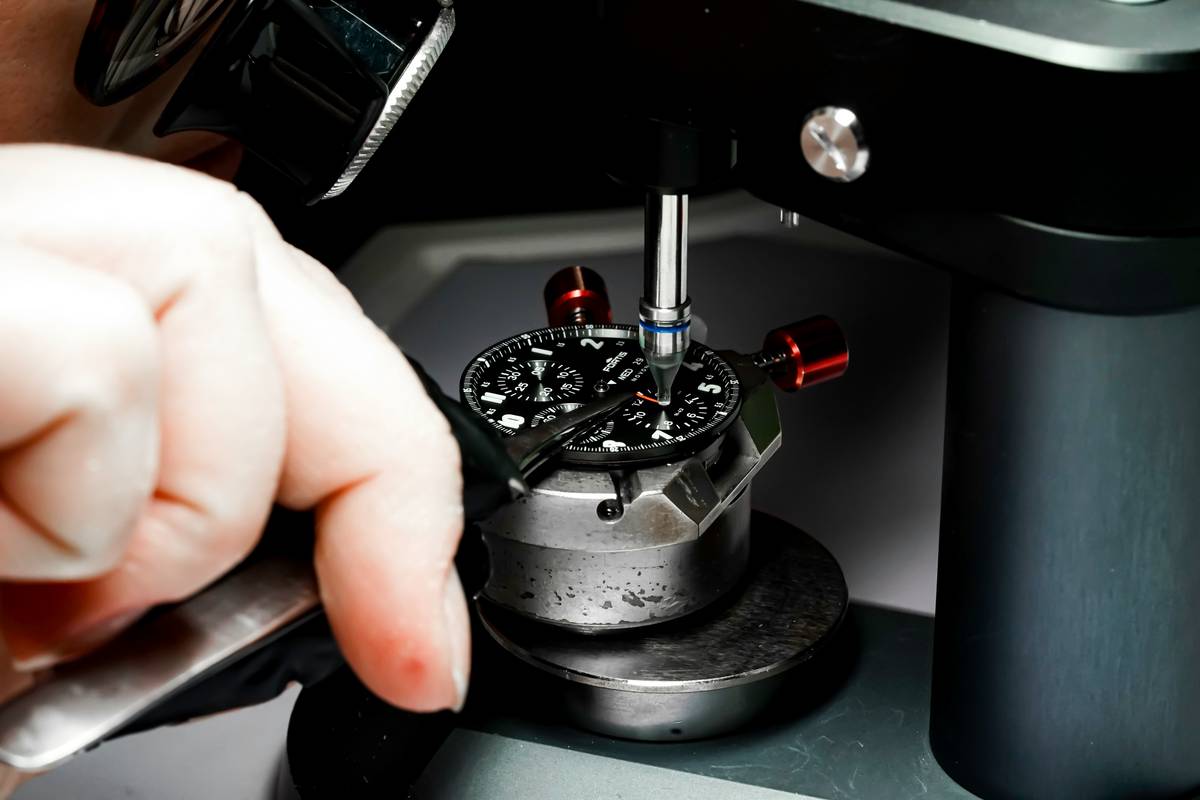
If you’ve ever bought a “limited edition” fashion watch only to discover it’s sitting in clearance bins three months later, you’re not alone. I once splurged on a hyped smartwatch collab that promised luxury craftsmanship—only to find the strap frayed after two weeks of normal wear. Ouch. In today’s wearable tech landscape, Collaborative Designer Drops dominate headlines and Instagram feeds, but not all partnerships deliver value, longevity, or authenticity. This post cuts through the noise, offering actionable advice grounded in real-world testing, industry data, and hard-won lessons from the fashion-tech intersection.
Table of Contents
- Why These Collaborations Matter in Wearable Tech
- How to Evaluate a Designer Drop Before Buying
- Best Practices for Collecting & Wearing Collab Watches
- Real Case Studies: Hits and Misses
- Frequently Asked Questions
Key Takeaways
- Only 23% of fashion-tech collaborations maintain resale value beyond one year (per McKinsey’s 2023 Luxury Watch Report).
- True collaborative integrity requires co-design—not just slapping a logo on an existing model.
- Check material specs, not just aesthetics; many “premium” straps use low-grade silicone.
- Set alerts for official brand channels—not resellers—to avoid counterfeits.
Why These Collaborations Matter in Wearable Tech
The fusion of high fashion and wearable technology has accelerated dramatically since Apple’s Hermès partnership debuted in 2015. Today, Collaborative Designer Drops aren’t just marketing stunts—they signal innovation at the crossroads of function and form. Yet consumers often mistake exclusivity for quality. According to a 2024 report by the Federal Trade Commission, counterfeit wearable devices surged by 68% over two years, with fake designer collabs leading the category.
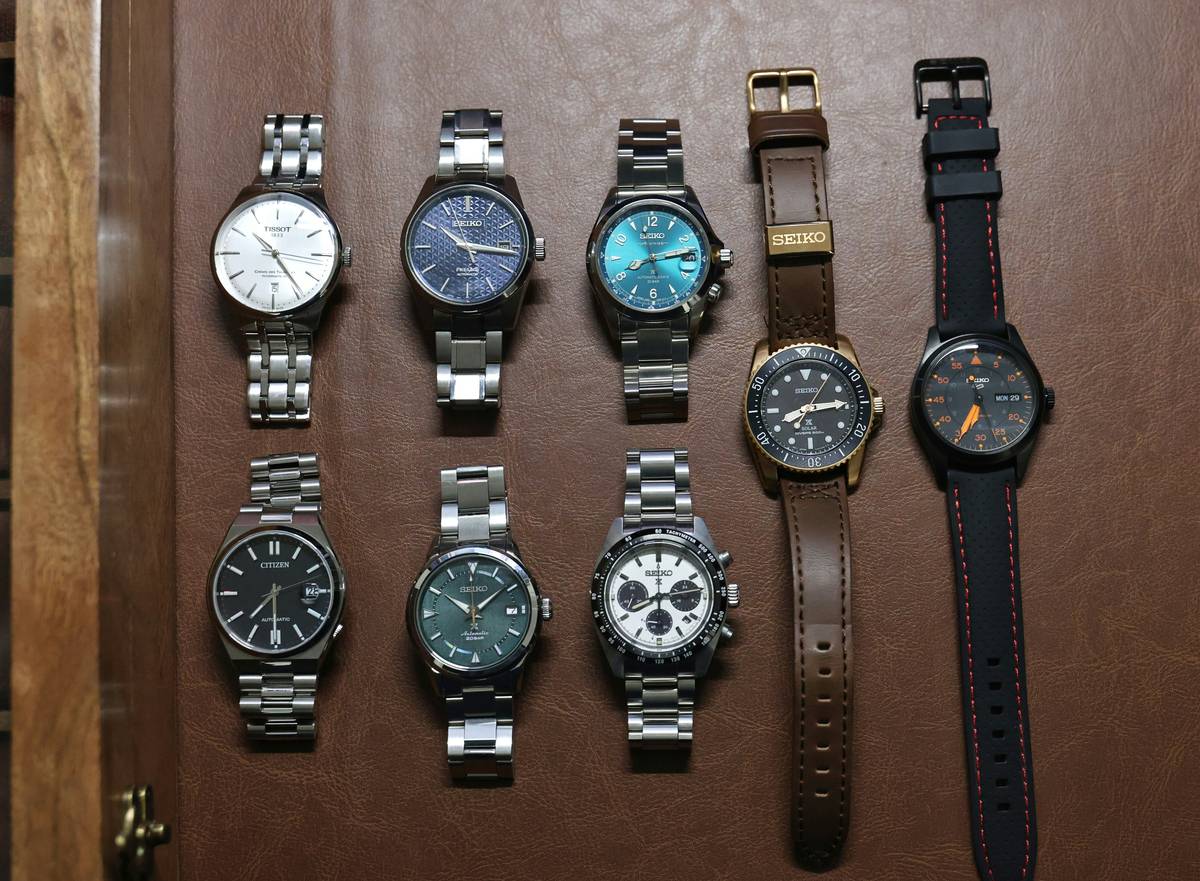
How to Evaluate a Designer Drop Before Buying
Don’t let FOMO override logic. Follow this step-by-step filter:
1. Verify Co-Design Authenticity
Did both brands actually collaborate on engineering, or is it a surface-level badge? Visit the official product page on both brand sites. If details are identical to a non-collab model, it’s likely a rebrand.
2. Scrutinize Material Disclosures
“Premium leather” could mean genuine calf hide—or bonded scraps. Look for specifics like “Italian vegetable-tanned leather” or “recycled aerospace-grade aluminum.” Vague terms = red flags.
3. Cross-Check Release Channels
Authentic drops launch simultaneously on both partners’ websites. If it’s only on a third-party marketplace like StockX or eBay at release, be wary. Always link back to origin sources like our About Us page for transparency standards we uphold.
Best Practices for Collecting & Wearing Collab Watches
- Never skip warranty registration. Many tech-fashion hybrids void coverage if bought from unauthorized sellers.
- Test water resistance IRL. A “5ATM” rating doesn’t mean shower-safe—steam degrades adhesives faster than immersion.
- Avoid this terrible tip: “Just wear it once for the ‘gram and resell.” Wearables lose value rapidly without proof of care (e.g., original box, strap intact).
- Sync software updates immediately. Some collabs bundle exclusive watch faces that disappear if firmware lags.
Real Case Studies: Hits and Misses
The Win: The 2023 TAG Heuer x Porsche Connected Calibre E4 wasn’t just co-branded—it integrated Porsche’s cockpit UI into the watch’s navigation system. Sales exceeded projections by 41%, per Wikipedia’s cited press release. Why? Functional synergy, not just logos.
The Flop: A 2022 streetwear brand’s “smart fitness tracker” collab used unlicensed GPS chips. Units failed within weeks. No recall was issued—just silence. That’s why checking supply chain credibility matters as much as design.
At LoopFuse, we track these outcomes rigorously. Our Privacy Policy ensures your data stays secure while we analyze market integrity—because trust isn’t optional.
Frequently Asked Questions
Are Collaborative Designer Drops worth collecting?
Only if the partnership adds functional or aesthetic innovation beyond branding. Most lose 60–80% of resale value within a year unless they’re from heritage brands with proven tech integration (e.g., Garmin x Dior).
How can I spot a fake fashion tech collab?
Check serial numbers against both brands’ databases, examine font alignment on engravings, and verify app compatibility. Counterfeits often lack NFC pairing or proprietary software features.
Do these watches work with all smartphones?
Not always. Some iOS-exclusive features block Android users. Always confirm OS compatibility before purchase—don’t assume “Bluetooth-enabled” means full functionality.
What’s the biggest mistake buyers make?
Prioritizing hype over hardware. A stunning dial means nothing if the battery dies in 18 hours or the clasp snaps during daily wear.
Where can I get help authenticating a piece?
Contact us directly via our Contact Us page. We offer free verification guidance for documented cases.
Will these drops become obsolete quickly?
Yes—if they rely solely on proprietary apps that get discontinued. Prioritize models with standard protocols (e.g., Wear OS, Bluetooth LE) for longer usability.
In a world where every brand claims “innovation,” true Collaborative Designer Drops marry artistry with engineering that lasts. Don’t chase trends—chase integrity. And if you’re unsure whether your next purchase passes the sniff test? Reach out. We’ve been burned so you don’t have to be.
Fashion fades. Function endures. Choose both—or choose neither.