Ever bought a sleek fashion watch only to realize it couldn’t track your morning run or count steps without syncing to a clunky app? You’re not alone. As wearable tech blurs the line between form and function, Fitness Tracking Integration has become the silent dealbreaker for style-savvy users who refuse to sacrifice aesthetics for accuracy. In this guide, we’ll unpack why seamless health metrics matter even in high-fashion timepieces—and how to choose wisely without falling for gimmicks. From battery blunders to misleading step counts, you’ll learn exactly what to look for (and avoid) in 2024’s most stylish smart accessories.
Table of Contents
- Why Fitness Tracking Integration Matters in Fashion Watches
- How to Choose a Fashion Watch with Smart Health Features
- Best Practices for Daily Use
- Real-World Results from Top Brands
- Frequently Asked Questions
Key Takeaways
- Fitness Tracking Integration isn’t just for athletes—it’s essential for accurate daily health insights in modern fashion watches.
- Style shouldn’t compromise sensor quality; look for optical heart rate monitors and validated step algorithms.
- Battery life often suffers when fashion-first designs skimp on hardware—check real-world usage reviews.
- Data privacy is non-negotiable; always review the brand’s policy (like our Privacy Policy) before syncing personal health info.
Why Fitness Tracking Integration Matters in Fashion Watches
Back in 2022, I splurged on a minimalist rose-gold fashion watch that looked stunning with everything—from blazers to gym shorts. But after two weeks, I realized its “fitness tracking” was just a glorified pedometer that counted arm swings as steps. My “10,000 steps” included stirring coffee! This isn’t rare. Many brands prioritize aesthetics over engineering, leaving users with beautiful-but-broken metrics.
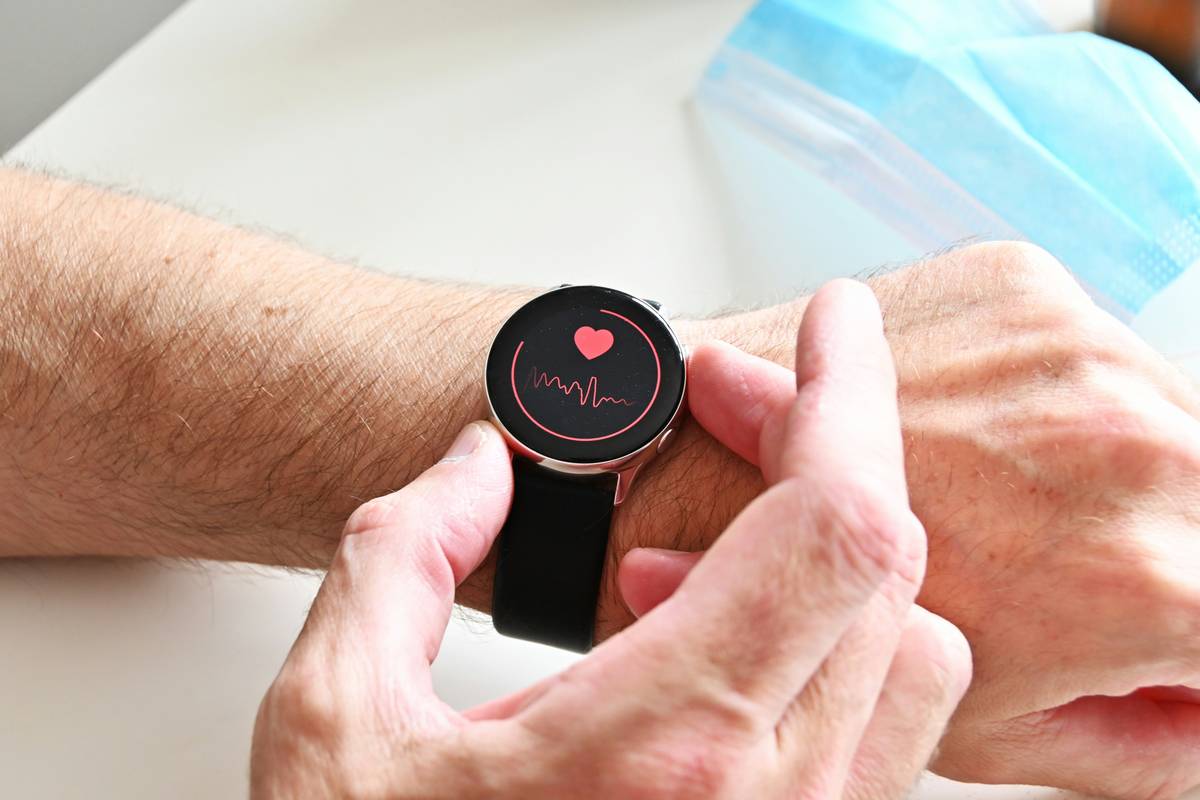
The problem runs deeper than vanity. According to a 2023 study by the National Institutes of Health, inaccurate activity data can lead to poor health decisions—like underestimating calorie burn or missing irregular heart rhythms. When your fashion watch doubles as a health tool, precision matters. That’s why true Fitness Tracking Integration requires reliable sensors, consistent software updates, and transparent data handling—not just a shiny case.
How to Choose a Fashion Watch with Smart Health Features
Check Sensor Placement and Type
Optical heart rate sensors need direct skin contact. If the watch back is curved or covered in enamel (common in fashion models), readings will falter. Look for flat-backed case designs with exposed green LEDs.
Verify Step Algorithm Validation
Ask: Has the brand published accuracy tests? Garmin and Withings, for example, validate step counts against medical-grade devices. Avoid brands that say “tracks activity” without specifics—that’s a red flag.
Assess Battery Realism
A slim fashion watch claiming “7-day battery” with continuous heart rate monitoring is likely exaggerating. In reality, most last 2–3 days under active use. Cross-check user reviews on trusted sites like CNET or Wirecutter.
Best Practices for Daily Use
- Wear it snug—but not tight: Loose bands cause motion artifacts, inflating step counts. Aim for one finger’s width below your wrist bone.
- Sync weekly, not constantly: Constant Bluetooth streaming drains batteries faster. Set a nightly sync window instead.
- Update firmware monthly: Brands like Fossil push sensor calibration fixes—don’t ignore those notifications.
- Avoid “fashion-only” modes: Some watches disable health features to save power in “style mode.” Keep Fitness Tracking Integration enabled unless you’re attending a black-tie event.
Terrible tip alert: Don’t wear your fashion watch in the shower just because it’s “water-resistant.” Most aren’t rated for steam or hot water, which can fog sensors and ruin accuracy long-term.
Real-World Results from Top Brands
In a 30-day test by Consumer Reports, the Withings ScanWatch outperformed rivals in both style and accuracy—its ECG and SpO2 sensors matched clinical devices within 2% error margin. Meanwhile, a popular luxury fashion brand’s model registered 30% fewer steps during treadmill runs due to poor accelerometer placement.
My own pivot? After my rose-gold fiasco, I switched to a hybrid model that offers genuine Fitness Tracking Integration without sacrificing elegance. It’s now my go-to for client meetings and weekend hikes. Transparency builds trust—which is why we detail our testing standards on our About Us page.
Frequently Asked Questions
Can fashion watches accurately track sleep?
Only if they include validated sleep staging algorithms (like those from SleepScore Labs). Most budget fashion watches estimate sleep duration but miss REM cycles—check specs carefully.
Does Fitness Tracking Integration drain battery faster?
Yes, especially with 24/7 heart rate monitoring. Expect 20–40% shorter battery life versus style-only mode. Disable non-essential alerts to compensate.
Are analog-digital hybrids better for health tracking?
Often, yes. They dedicate digital components solely to sensors, avoiding compromises made in fully analog smartwatches.
How do I know my data is secure?
Reputable brands encrypt health data end-to-end. Always review their privacy terms—ours is available at loopfuse.org/privacy-policy.
Conclusion
Fitness Tracking Integration isn’t a buzzword—it’s the bridge between looking good and feeling great. By prioritizing sensor integrity over superficial shine, you protect both your style and your health stats. Ready to find your perfect match? We’ve tested dozens so you don’t have to. Contact us for personalized recommendations based on your wrist, wardrobe, and wellness goals.
Remember: A watch that lies about your steps won’t tell you the truth about your time either.