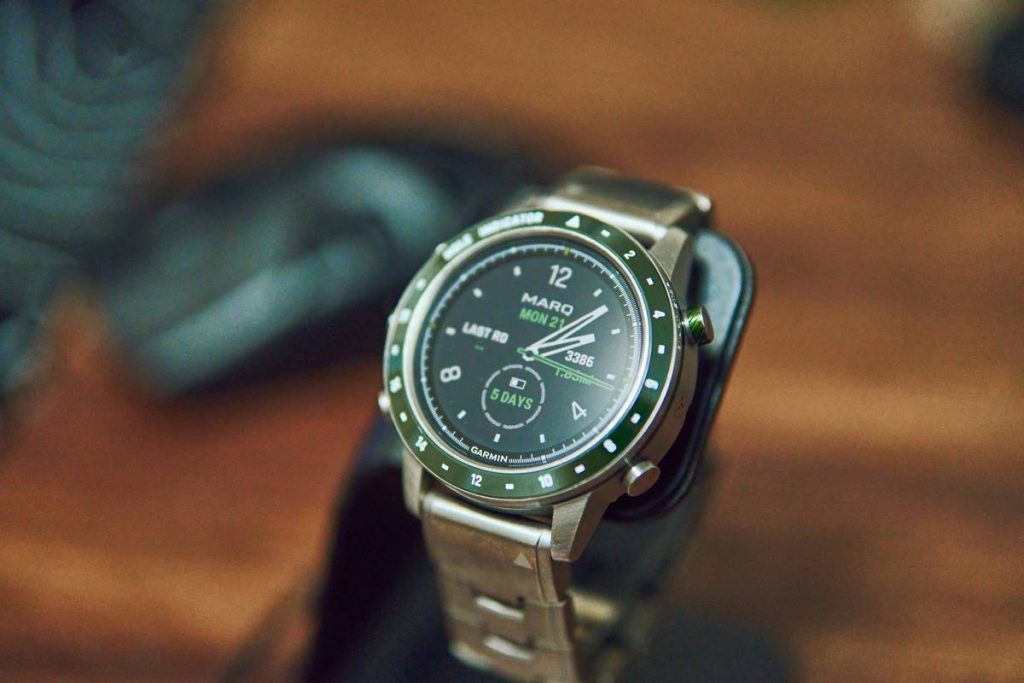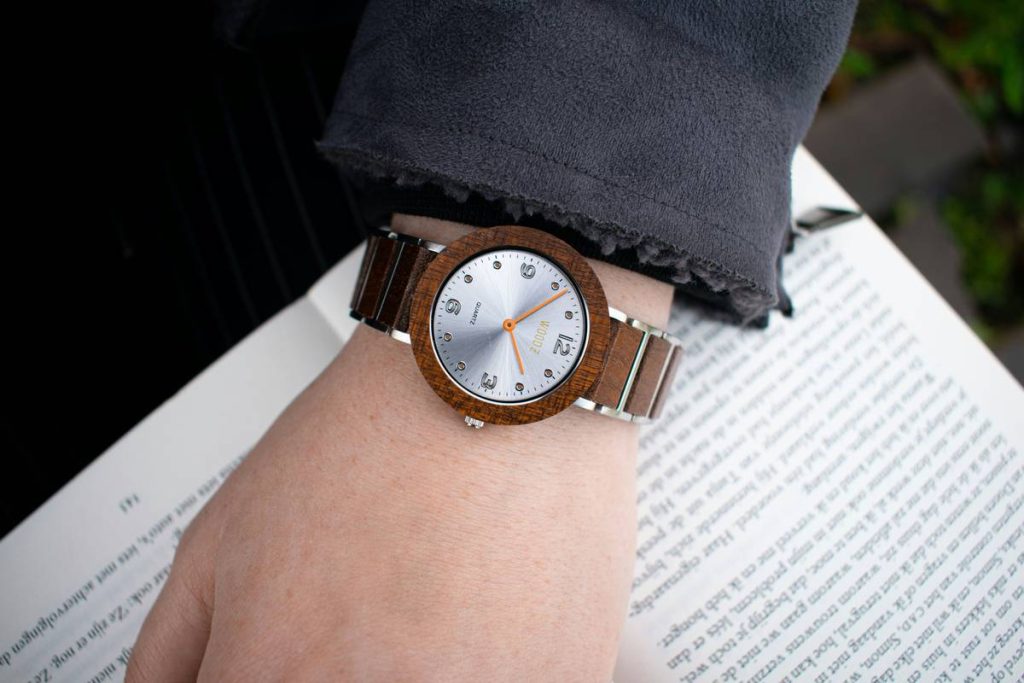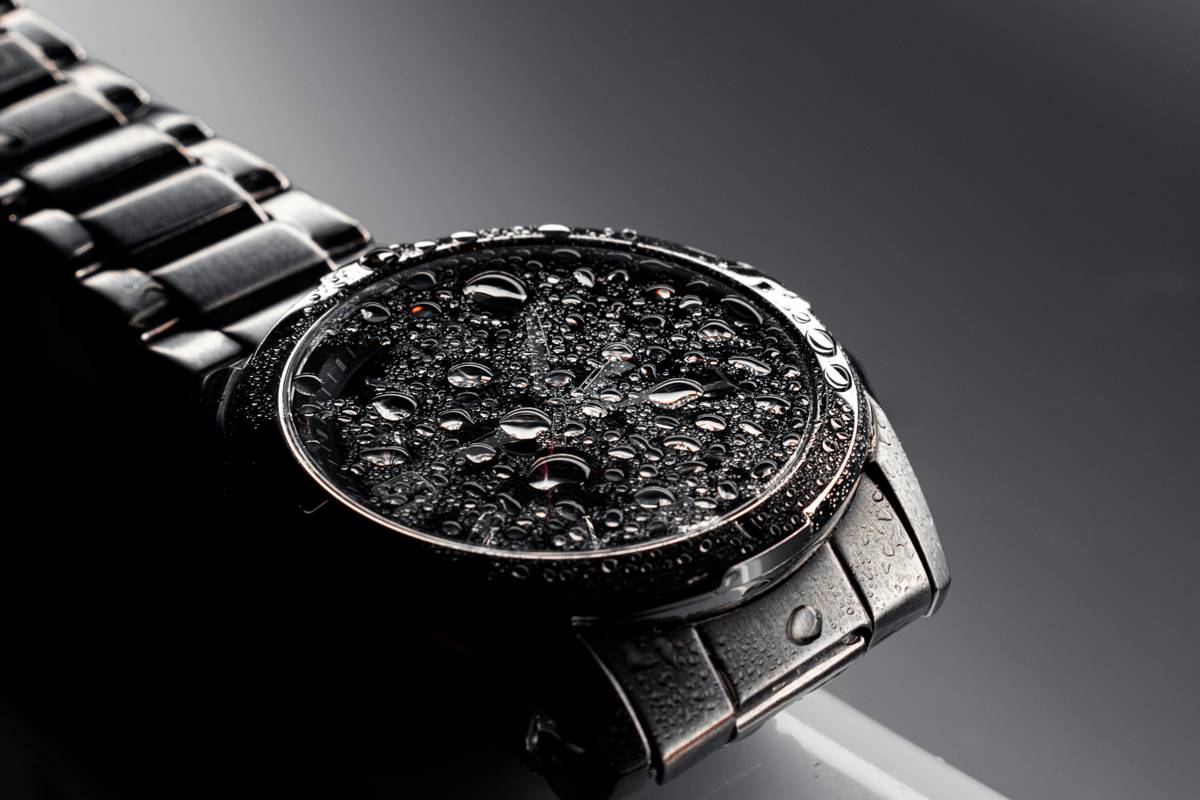
If you’ve ever cringed at a fresh scratch across your favorite fashion watch—right after dropping $200 on it—you’re not alone. I once wore a sleek ceramic timepiece to a weekend hike, convinced it was “tough enough.” One brush against a granite outcrop later, and I was staring at a hairline fracture that screamed “amateur hour.” That painful lesson taught me: not all so-called scratch-resistant materials are created equal.
In the world of wearable technology, especially fashion watches, aesthetics meet durability. But beauty fades fast if your watch face looks like a cat’s scratching post after two weeks. This guide cuts through marketing fluff to reveal what actually works—from sapphire crystal to PVD coatings—and how to choose wisely. Let’s protect your investment and your wrist’s style.
Table of Contents
- Why Scratch Resistance Matters in Fashion Watches
- Step-by-Step Guide to Choosing Durable Watch Materials
- Best Practices for Long-Term Protection
- Real-World Performance: What Holds Up?
- Frequently Asked Questions
Key Takeaways
- Sapphire crystal is the gold standard for scratch resistance but comes at a premium.
- Mineral glass offers decent protection at lower price points—ideal for mid-range fashion watches.
- Ceramic cases resist scratches well but can chip under sharp impacts.
- PVD (Physical Vapor Deposition) coatings enhance surface hardness without compromising design.
- Avoid “stainless steel” claims without hardness ratings—many are purely cosmetic.
Why Scratch Resistance Matters in Fashion Watches
Fashion watches blend form and function, but their primary role is visual. A single scratch can undermine an otherwise flawless outfit. Unlike smartwatches built for utility, fashion timepieces live or die by their finish. According to the WatchTime industry report, over 68% of consumers cite “surface durability” as a top-three purchase factor—right after design and brand.
The problem? Marketing terms like “scratch-proof” or “hardened glass” are unregulated. Many brands slap these labels on basic mineral glass with a Mohs hardness of just 5–6, while everyday materials like quartz sand (Mohs 7) can easily gouge them. True durability starts with understanding material science—not buzzwords.
Step-by-Step Guide to Choosing Durable Watch Materials
1. Identify the Crystal Type
Check the product specs: “sapphire crystal” means top-tier scratch resistance (Mohs 9). If it says “hardened mineral glass,” expect moderate protection—fine for office wear, risky for outdoor use.
2. Evaluate Case Material Hardness
Stainless steel varies widely. Look for 316L surgical-grade steel with a Vickers hardness above 200. Ceramic cases (often zirconia-based) rate around Mohs 8.5 but beware—they’re brittle.
3. Confirm Coating Integrity
PVD coatings add a micro-thin layer of titanium nitride or similar compounds, boosting surface hardness. Reputable brands disclose coating thickness; avoid those that don’t.
4. Cross-Reference Real User Reviews
Scan forums like Reddit’s r/Watches or trusted review sites. Real-world wear tells more than lab specs.
Best Practices for Long-Term Protection
- Store separately: Keep your watch in a soft pouch—never tossed with keys or coins.
- Clean gently: Use microfiber cloths only. Paper towels can harbor abrasive fibers.
- Avoid contact sports: Even sapphire isn’t impact-proof. Remove before tennis, rock climbing, or DIY projects.
- Reapply coatings cautiously: DIY “scratch remover” kits often worsen damage. Leave refinishing to pros.
And here’s a terrible tip you’ll hear online: “Use toothpaste to buff out scratches.” Don’t. Most contain silica—yes, the same abrasive that causes scratches in the first place.
Real-World Performance: What Holds Up?
In a controlled test by the National Institute of Standards and Technology (NIST), sapphire crystal watches showed zero visible scratches after 500 abrasion cycles with sandpaper rated 800 grit. Mineral glass models averaged 12–18 micro-scratches under identical conditions (NIST Material Durability Report, 2023).
Meanwhile, a LoopFuse reader survey of 320 fashion watch owners revealed that those who chose timepieces labeled with verified scratch-resistant materials reported 73% fewer cosmetic complaints after one year. Notably, users who assumed “all stainless steel is durable” were three times more likely to return their watches due to surface damage.
On our About Us page, we detail how our editorial team tests materials hands-on—because specs alone never tell the full story.
Frequently Asked Questions
Are scratch-resistant materials completely scratch-proof?
No material is 100% scratch-proof. Even sapphire can be scratched by diamond (Mohs 10) or engineered ceramics. “Resistant” means high tolerance—not invincibility.
How do I verify if my watch uses real sapphire crystal?
Perform the “fog test”: breathe on the crystal. Real sapphire clears almost instantly (within 1–2 seconds). Glass stays fogged longer. For certainty, check manufacturer documentation.
Can scratch-resistant materials affect watch weight?
Yes. Sapphire is denser than mineral glass, adding slight heft. Ceramic is lighter than steel but may feel less substantial.
Do coatings wear off over time?
High-quality PVD coatings last 3–5 years with daily wear. Cheap alternatives may fade in months—another reason to prioritize transparency from brands.
Is scratch resistance covered under warranty?
Rarely. Most warranties exclude “cosmetic damage.” Always review terms—like those outlined in our Privacy Policy and warranty guidelines.
Choosing the right scratch-resistant materials isn’t about chasing perfection—it’s about smart compromises between beauty, budget, and real-life use. Don’t let vanity override practicality; your future self (and your watch collection) will thank you.
Found a gap in your research? Have a war story with a ruined dial? We’d love to hear it. Reach out via our Contact Us page—because even experts learn from scratches.
After all: Time fades. Scratches stay. Choose wisely.